
Charity Champions
Master’s Daughter Inspires £6,000 Donation
3 Dec, 2025
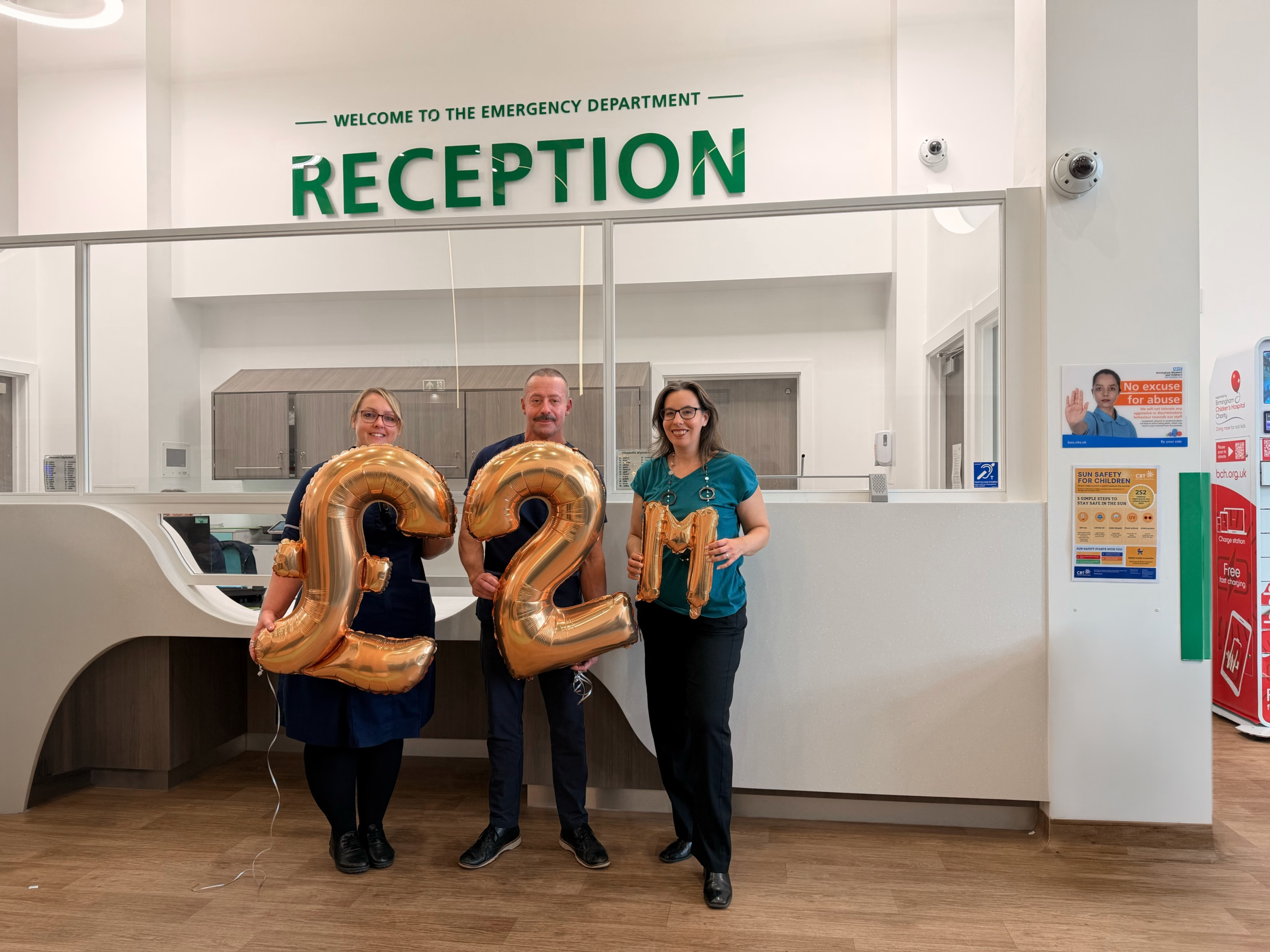
Members at a masonic lodge in Sutton Coldfield raised £6,000 for us, in memory of their Worshipful Master’s daughter, who was treated at our hospital as a child.
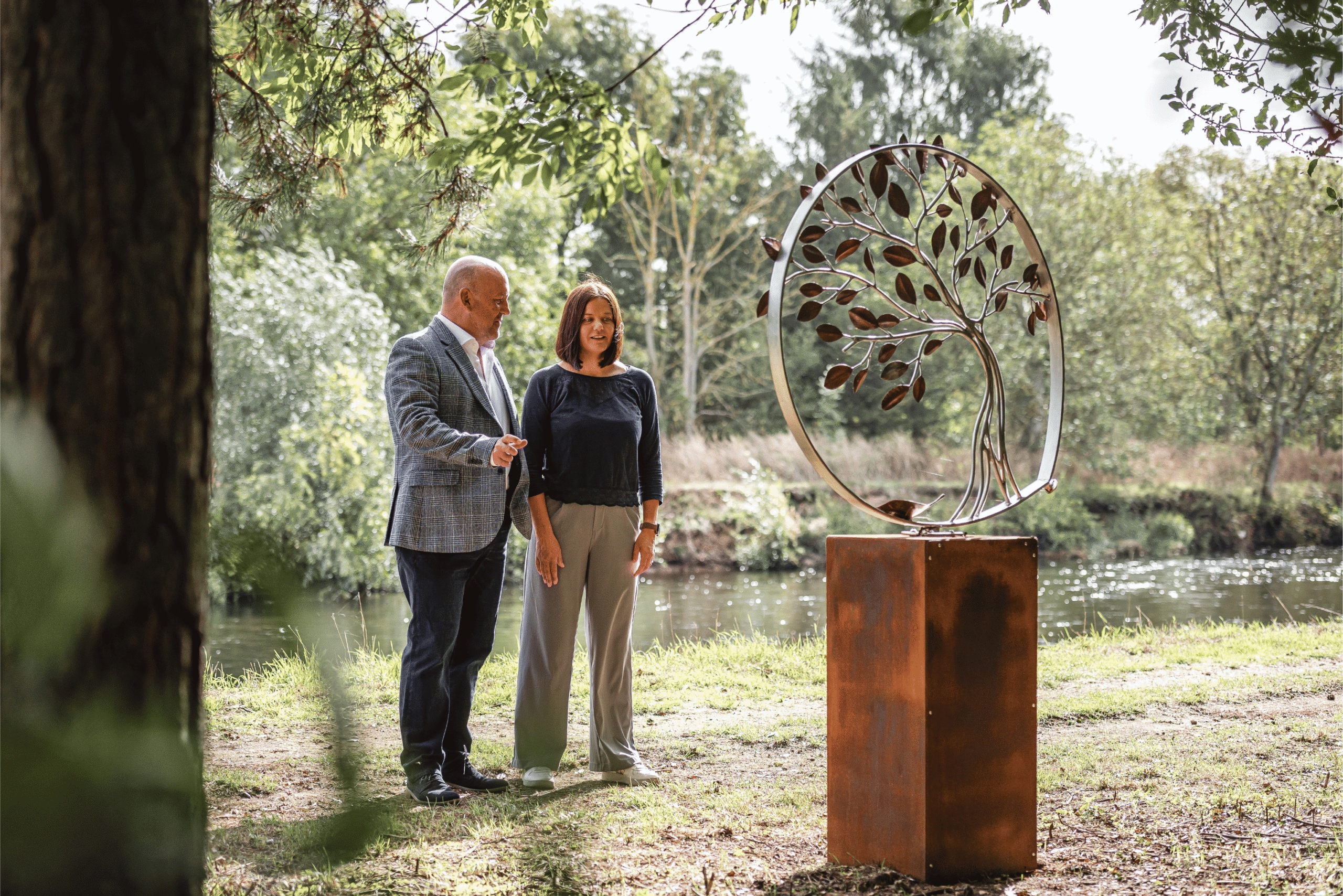
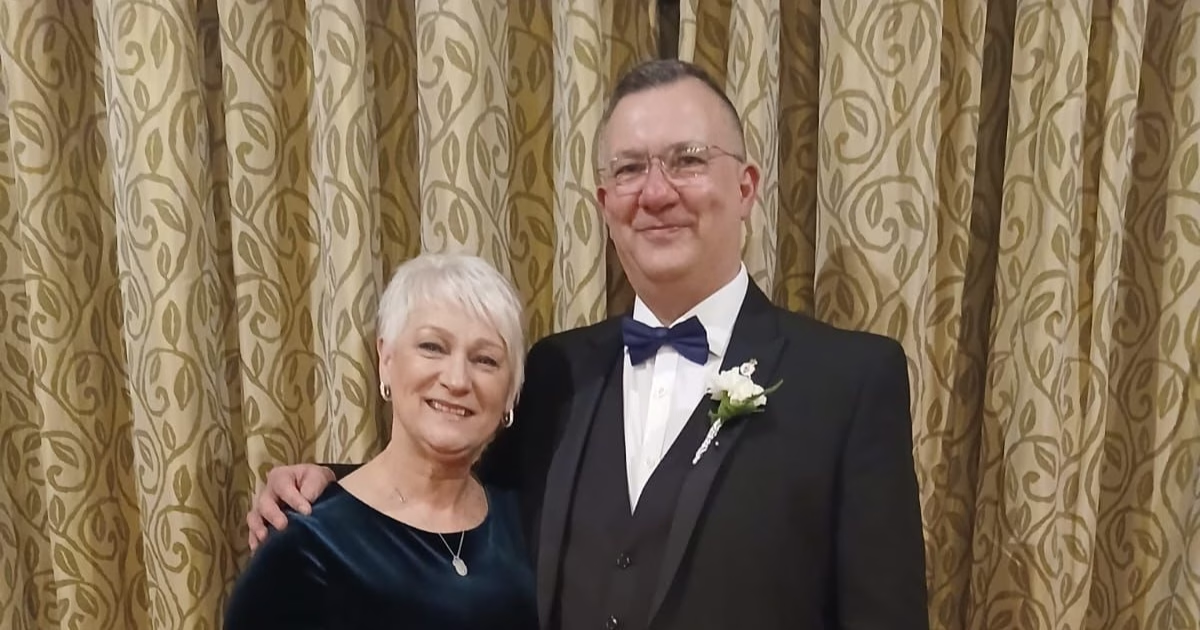
Richard Hemming assumed the role of Worshipful Master at Hertford Lodge in 2022 choosing our charity as the focus of his members’ fundraising activities in honour of his 29-year-old daughter, Emily, who received life-saving care at our hospital as a child. Sadly, in the second year of Richard’s tenure, the lodge’s fundraising activities were in Emily’s memory.
Emily was two when renal specialists at our hospital diagnosed her with a condition called Focal Sclerosis, which meant that her kidneys were failing. By her sixth birthday, Emily had received a successful kidney transplant and after a slightly bumpy recovery, Emily returned home to Richard, her mum, Debbie, and older brother, Thomas.
A few years later, when Emily was eight, she became unwell. The medication she was taking to suppress her immune system to reduce the risk of her body rejecting her new kidney, meant she was more susceptible to other illnesses too, and Emily contracted Epstein–Barr virus. While the virus itself is very common Emily’s immune system struggled to fight it and as a result Emily developed a rare condition called post-transplant lymphoproliferative disease (PTLD), which developed into Lymphoma, a rare type of blood cancer.
Emily was taken off her immune suppressants, began chemotherapy and even received brand new medication that was flown in from Edinburgh, especially for her, but Emily’s kidney had failed and her body was shutting down. Richard and Debbie were urged to say goodbye to their daughter but they knew she could pull through, so instead they reminded her of her successes in her cheerleading squad and gave her the motivation she needed to get better.
To everyone’s surprise, Emily pulled through and after three months on our Paediatric Intensive Care Unit, with the help of physiotherapists, a feeding tube and daily dialysis sessions to clear waste from her blood in place of her kidneys, Emily returned home.
At the age of 15, Emily received another kidney transplant which enabled her to live her life to the full as she completed a hair and beauty course at college before eventually getting a job teaching the same subject at the college. Sadly though, by the age of 30, Emily’s body began to reject her transplanted kidney and although steroid treatments helped, her body never recovered, her liver began to fail, and Emily passed away.
Emily’s passing fell just before Richard and Debbie were due to hold their second Ladies’ Night fundraising event at Hertford Lodge. Bravely, Debbie took to the stage and spoke from the heart about her daughter, how our hospital fought for her, and the amazing 22 years of life Emily had as a result.
Richard said: “As Freemasons, charity is at the heart of everything we do and I’m so proud to have used my time as Master of the Lodge to do Emily proud and raise such a wonderful amount in her honour. Though we miss Emily tremendously, we can’t thank Birmingham Children’s Hospital enough for the time they gave us with her from that very first transplant.
“We know Emily would want to give back to the incredible teams that supported her through her childhood and into her early adult life, and to support families going through similar to us, so I was really pleased to learn that our funds will help fund pocket doppler machines to help renal patients’ families monitor blood pressure from home.”
Annie Eytle, Head of Public Fundraising at Birmingham Children’s Hospital Charity, said: “The story of Emily’s journey is so powerful, and we can’t thank Richard and Debbie enough for sharing it with members of Hertford Lodge, and inspiring them to give so generously.
“The funds they raised together will go towards new invaluable pocket doppler equipment, which will allow families to measure and submit their child’s blood pressure comfortably from home, allowing our specialist teams to measure them remotely, reducing the need for lengthy journeys into hospital for assessment.”